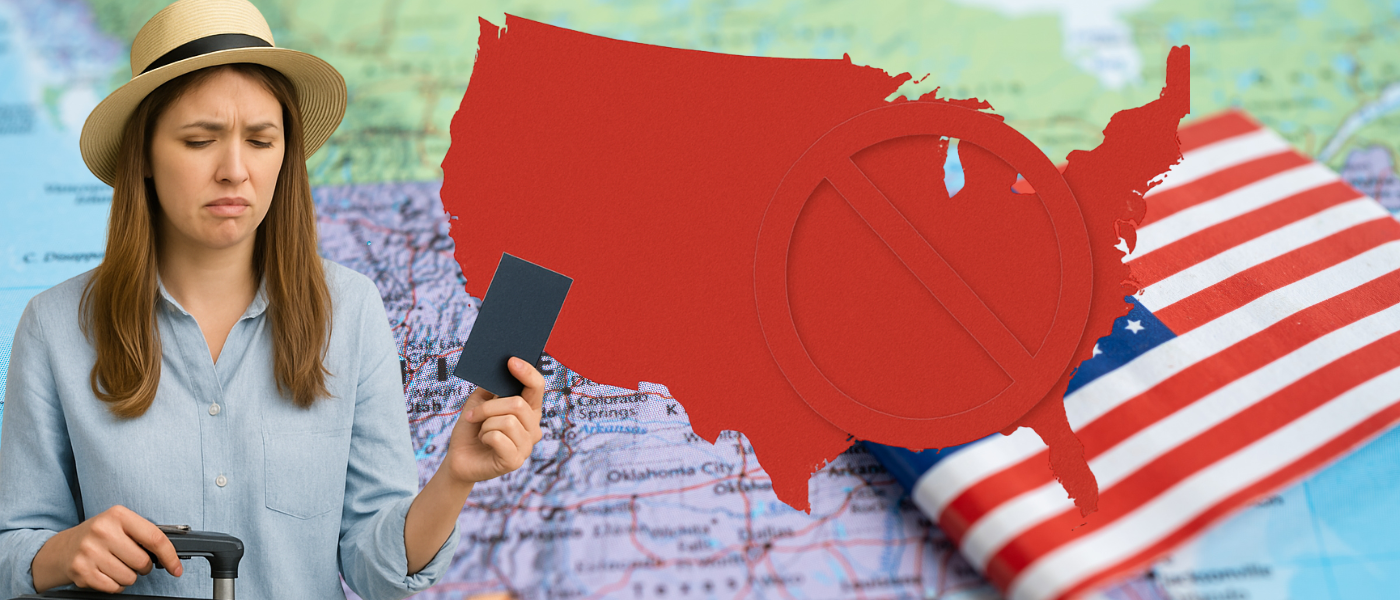
Why global tourists are shunning the USA?
The United States, traditionally a beacon for international visitors, finds itself in an alarming and self-inflicted predicament: a significant and sustained decline in inbound tourism. While nations worldwide eagerly welcome a renewed influx of foreign currency and cultural exchange, the U.S. is conspicuously losing its appeal, hemorrhaging billions in potential revenue and jeopardizing countless jobs within its vital tourism sector. This perplexing downturn, often dismissed as a mere post-pandemic adjustment, is in fact a profound symptom of deeper, more systemic issues, largely exacerbated by the policies and rhetoric emanating from the current American administration.
Globally, the tourism industry is experiencing a vigorous rebound, with many countries reporting record-breaking visitor numbers and economic contributions. Destinations across Europe, Asia, and Latin America are actively leveraging renewed travel enthusiasm, implementing innovative marketing campaigns and streamlining entry processes to attract a diverse international clientele. In stark contrast, the U.S. has become an outlier, struggling to regain even pre-pandemic levels of international arrivals, indicating a fundamental disconnect between global travel trends and the American experience.
Initial observations and economic impact
The economic ramifications of this decline are staggering, with projections indicating billions of dollars in lost tourism spending and a tangible threat to the livelihoods of those employed in hospitality, transportation, and related industries. Beyond the raw financial figures, the slump signifies a broader erosion of America’s soft power and cultural influence, as fewer international visitors translate to diminished cross-cultural understanding and weakened global ties. This economic and cultural deficit is a direct consequence of policies that have inadvertently, or perhaps intentionally, alienated a significant portion of the global traveling public.
This comprehensive analysis posits that the primary catalyst for this precipitous drop in international tourism is not merely economic competition or global events, but rather a direct outcome of the current U.S. administration’s policies and its often-confrontational approach to international relations. From restrictive immigration measures to a perceived shift in national values and an overall unwelcoming atmosphere, these governmental actions have collectively created an environment that actively deters, rather than attracts, global tourists, fundamentally reshaping America’s image on the world stage.
Restrictive Visa policies, a formidable barrier
One of the most immediate and tangible deterrents for international tourists is the increasingly stringent and often bewildering array of immigration and visa policies implemented or intensified under the current administration. What was once a bureaucratic hurdle has, for many, become an insurmountable wall, signaling an unwelcoming posture that directly contradicts the spirit of global tourism. The deliberate tightening of borders and the rhetoric surrounding national security have inadvertently cast a wide net of suspicion over all international arrivals, including legitimate tourists.
The heightened scrutiny applied to visa applications, coupled with chronic understaffing and outdated processing systems, has led to unprecedented delays and an opaque application process. Prospective visitors from key source markets often face agonizing waits, arbitrary denials, and a lack of clear communication, transforming the dream of an American vacation into a bureaucratic nightmare. This administrative inefficiency, rather than enhancing security, primarily serves to frustrate and deter, pushing travelers towards destinations with more streamlined and predictable entry procedures.
The administration’s controversial travel bans” and the pervasive anti-immigrant rhetoric have cultivated a global perception of the U.S. as an unwelcoming and potentially hostile destination. Regardless of the specific legalities or targets of these policies, the overarching message conveyed to the world is one of exclusion rather than invitation. This negative branding has deeply impacted the desire of many to visit, as they seek destinations that project openness, diversity, and a genuine embrace of international visitors.
The ripple effect of these policies is particularly evident in the decline of visitors from traditionally strong source markets, especially those with significant Muslim populations or those directly impacted by visa restrictions. Beyond the directly affected, the general chilling effect extends to a broader demographic, as the global community observes and reacts to the U.S.
The escalating cost of the American experience
Beyond the administrative hurdles, the economic realities of visiting the United States have become increasingly prohibitive for a significant portion of the global traveling public. The current administration’s economic policies, including trade wars and fluctuating currency valuations, have indirectly contributed to making the American experience an unaffordable luxury for many, diverting tourist dollars to more budget-friendly destinations.
The strength of the U.S. dollar, while a sign of economic robustness for some, acts as a significant disincentive for international tourists whose local currencies have weakened against it. This unfavorable exchange rate directly translates to higher costs for everything from accommodation and dining to shopping and entertainment. Compounding this, inflationary pressures within the U.S. economy further erode the purchasing power of foreign visitors, making a trip across the Atlantic or Pacific an increasingly expensive proposition compared to alternatives.
Airfares to the U.S. have remained stubbornly high, and domestic transportation costs, including car rentals and internal flights, are often exorbitant. This, combined with the already elevated prices of hotels, attractions, and daily expenses, means that the overall value proposition of a U.S. vacation has diminished. Tourists are increasingly discerning, and when faced with the choice between a costly American trip offering perceived diminishing returns and a more affordable, equally enriching experience elsewhere, the latter often prevails.
This economic reality disproportionately impacts budget-conscious travelers, a significant segment of the global tourism market. Families, young adventurers, and those from developing economies, who once might have saved for an American adventure, are now actively seeking destinations where their money stretches further. The U.S. is effectively pricing itself out of contention for a large and growing demographic of international tourists, ceding market share to nations that offer comparable experiences at a fraction of the cost.
The erosion of soft power and global perception
Perhaps one of the most insidious and long-lasting impacts on U.S. tourism stems from the significant erosion of America’s global soft power and the dramatic shift in its international perception under the current administration. The rhetoric, policies, and actions emanating from Washington have, for many, fundamentally altered the image of the United States from a beacon of democracy and opportunity to a nation perceived as increasingly insular, divisive, and unpredictable.
The administration’s often aggressive and isolationist rhetoric, coupled with strained relationships with traditional allies and controversial foreign policy decisions, has resonated deeply across the globe. International media extensively covers these developments, shaping public opinion and fostering a sense of unease or even antipathy towards the U.S. This constant barrage of negative news and political discord creates an unfavorable backdrop for tourism, as potential visitors associate the destination with political instability and social tension rather than welcoming hospitality.
For many international observers, the current political climate in the U.S. appears to contradict the very values of diversity, openness, and freedom that once made America so appealing. Debates surrounding civil rights, social justice, and cultural inclusivity are closely watched abroad, and perceived regressions in these areas can deter visitors who seek an environment that aligns with progressive values. The image of a fractured society, rather than a melting pot, has become a powerful disincentive for those seeking a harmonious and enriching travel experience.
The cumulative effect of these factors is the widespread adoption of an “unwelcoming” narrative surrounding the United States. This narrative, propagated through international media, social networks, and word-of-mouth, paints a picture of a nation less interested in global engagement and more focused on internal divisions. For tourists, who prioritize safety, comfort, and a sense of belonging, this perception is a critical barrier. It suggests that their presence might not be genuinely desired or appreciated, leading them to choose destinations where they feel more genuinely welcomed and respected.
Safety concerns and social unrest
Beyond political rhetoric, tangible concerns regarding safety and social stability within the United States have become a significant deterrent for international tourists. The pervasive issue of gun violence, coupled with instances of social unrest and political polarization, casts a long shadow over the American travel experience, creating anxieties that often outweigh the allure of its attractions.
Mass shootings and the broader issue of gun violence are topics of intense international scrutiny and concern. While many countries have strict gun control laws, the frequent occurrence of such incidents in the U.S. creates a generalized perception of danger that is difficult for foreign visitors to reconcile. The fear, however remote, of being caught in such an event is a powerful deterrent, particularly for families traveling with children, who prioritize safety above all else. This fear is amplified by media coverage that often highlights these tragedies without providing sufficient context on their localized nature.
Instances of social unrest, protests, and political demonstrations, while often expressions of democratic rights, can be perceived by international visitors as signs of instability and potential danger. The highly polarized political landscape, frequently boiling over into public confrontations, contributes to an image of a nation in turmoil. Tourists, seeking relaxation and escape, are unlikely to choose a destination where they anticipate encountering civil discord or feeling caught in the crossfire of domestic political tensions.
These safety concerns also have practical implications, influencing travel insurance premiums and the willingness of insurance providers to cover certain risks. More importantly, they elevate the perceived risk associated with visiting the U.S. For many, the mental calculus of a vacation includes an assessment of personal safety, and when the U.S. is perceived as a high-risk destination, even for leisure travel, it inevitably loses out to countries with a stronger reputation for peace and security. This perception, whether fully justified or not, is a powerful determinant in destination choice.
Diminished marketing and promotion efforts
In a fiercely competitive global tourism market, aggressive and sophisticated marketing is paramount. However, under the current administration, the United States has notably scaled back its international tourism promotion efforts, effectively retreating from the global stage and ceding ground to more proactive competitors. This lack of sustained and strategic marketing is a critical oversight, contributing significantly to the decline in visitor numbers.
Brand USA, the nation’s destination marketing organization, has faced consistent challenges in securing adequate funding and political support. Its budget, often subject to political whims, pales in comparison to the robust marketing expenditures of rival nations. This underinvestment means that the U.S. is simply not reaching potential tourists with compelling narratives, showcasing its diverse attractions, or effectively countering negative perceptions. In a world saturated with travel advertisements, silence is tantamount to invisibility.
Even when marketing efforts are undertaken, they often lack a cohesive and compelling strategy that resonates with international audiences. The focus may be too narrow, the messaging inconsistent, or the campaigns simply fail to address the evolving concerns and desires of global travelers. Without a unified and well-funded national tourism strategy, individual states and cities are left to compete on their own, often with limited resources, resulting in a fragmented and less impactful overall presence in the international market.
The direct consequence of this diminished marketing presence is a tangible loss of global market share and visibility. While other countries are actively courting tourists with innovative campaigns, digital outreach, and strategic partnerships, the U.S. is largely absent from these conversations. This allows competing destinations to fill the void, capturing the attention and bookings of travelers who might otherwise have considered the U.S. The retreat from aggressive marketing is not merely a missed opportunity; it is an active surrender of market position.
The rise of attractive global alternatives
The decline in U.S. tourism is not solely an internal problem; it is also a reflection of a rapidly evolving and increasingly competitive global tourism landscape. Many other nations have strategically invested in their tourism infrastructure, streamlined their entry processes, and enhanced their appeal, presenting compelling and often superior alternatives to the United States.
Countries across Europe, Asia, and the Americas have made significant strides in developing modern, efficient, and tourist-friendly infrastructure. This includes state-of-the-art airports, high-speed rail networks, and integrated public transportation systems that make travel seamless and enjoyable. Furthermore, many have simplified visa requirements, offering visa-free travel or efficient e-visa systems, making the planning and execution of a trip significantly less stressful than to the U.S.
Beyond infrastructure, competing destinations often offer a richer tapestry of cultural experiences, historical sites, and natural wonders, frequently at a fraction of the cost of a comparable U.S. trip. From the ancient wonders of Rome to the vibrant markets of Marrakech, or the serene landscapes of New Zealand, these destinations provide unique and authentic encounters that appeal to a broad spectrum of travelers. The perceived value for money is often significantly higher, allowing tourists to enjoy longer stays or more luxurious experiences within their budget.
Crucially, many of these alternative destinations have adopted proactive and welcoming tourism development policies. They actively engage with international tour operators, invest in targeted marketing campaigns, and foster a culture of hospitality that makes visitors feel genuinely valued. This contrasts sharply with the often-perceived indifference or even hostility emanating from the U.S. administration, creating a stark choice for tourists seeking a positive and hassle-free travel experience.
A Self-Inflicted Wound Requiring a Paradigm Shift
The precipitous decline in international tourism to the United States is not an isolated anomaly but a profound and multifaceted crisis, largely a self-inflicted wound stemming from the policies and prevailing political climate of the current administration. The cumulative effect of restrictive immigration policies, escalating costs, a tarnished global image, persistent safety concerns, and a retreat from aggressive marketing has created an environment fundamentally inhospitable to international visitors. This downturn is not merely an economic inconvenience; it represents a significant forfeiture of soft power, cultural exchange, and global goodwill.