Creating an eco and ethical fashion brand
The fashion industry has long been scrutinized for its environmental footprint and labor practices. Growing consumer awareness around climate change and social justice has driven a surge in demand for sustainable and ethical brands. This shift reflects a broader cultural movement that values transparency, accountability, and positive impact beyond profit. Eco and ethical fashion brands are no longer niche; they are becoming central players shaping the industry’s future.
Building a brand rooted in sustainability requires a comprehensive understanding of the environmental and social challenges inherent in fashion production. From water consumption to chemical pollution, and from worker rights to fair wages, every step of the supply chain demands scrutiny. This knowledge helps brands identify leverage points where they can reduce harm and maximize positive outcomes.
Moreover, the competitive landscape is evolving. Major brands are adopting sustainability initiatives, while new entrants often build their identity around eco and ethical values. To stand out, brands must go beyond buzzwords and demonstrate authentic, measurable commitments. This foundation sets the stage for meaningful innovation and trust-building with customers and stakeholders.
Sourcing sustainable materials
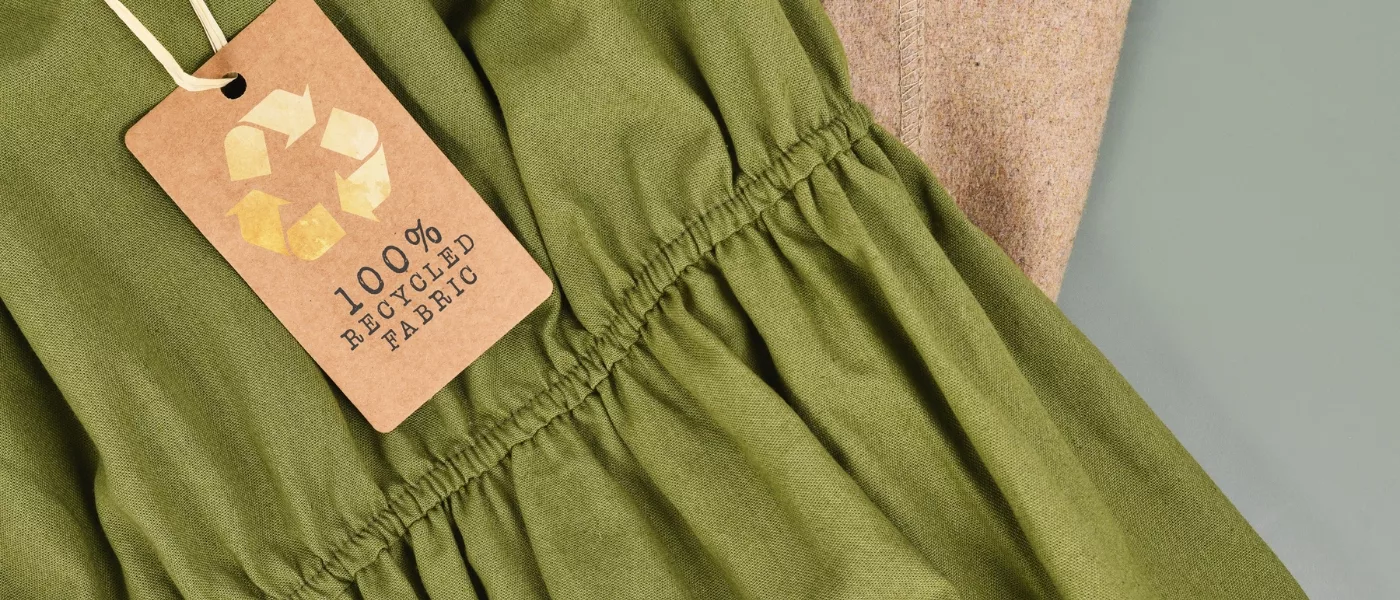
Material selection is the cornerstone of eco-friendly fashion. Conventional textiles like cotton and polyester have significant environmental drawbacks, including high water use, pesticide application, and fossil fuel dependence. Eco brands prioritize organic, recycled, or innovative fibers such as hemp, Tencel, or recycled nylon, which offer a reduced footprint without compromising quality.
Sourcing materials also means considering traceability and supplier practices. Transparent supply chains enable brands to verify certifications, ensure ethical labor conditions, and minimize environmental harm. Technology solutions such as blockchain and digital product passports increasingly facilitate this transparency, allowing brands and consumers to trace garments from raw material to finished product.
The choice of materials impacts brand messaging and customer perception. Today’s conscious consumers actively seek detailed information on fabric origins and certifications. Eco brands that invest in sustainable sourcing cultivate deeper customer loyalty and position themselves as credible, forward-thinking players in a crowded marketplace.
Designing for longevity and circularity
Design philosophy plays a pivotal role in sustainability. Creating garments designed to last challenges fast fashion’s disposable culture. Eco brands prioritize timeless styles, durable construction, and versatility to extend product lifecycles. This approach not only reduces waste but also appeals to customers seeking value and mindful consumption.
Circular design principles further enhance sustainability. This includes designing garments that can be easily repaired, recycled, or composted. By embracing modular construction, mono-material use, and take-back programs, brands contribute to a closed-loop system where materials continually re-enter production cycles, reducing resource extraction and landfill waste.
Implementing circularity requires collaboration with suppliers, manufacturers, and customers. It demands innovative thinking and sometimes upfront investment but offers long-term benefits for brand reputation and environmental impact. Brands that integrate circular design today will be better prepared for future regulatory and market shifts toward sustainability.
Ethical Manufacturing Practices
Sustainability is inseparable from ethical labor standards. Ethical manufacturing ensures safe working conditions, fair wages, and respect for workers’ rights across the supply chain. This commitment helps brands avoid human rights violations that have plagued the industry, fostering a positive social impact alongside environmental gains.
Many eco brands develop close partnerships with factories or even vertically integrate to maintain quality control and labor standards. Certifications such as Fair Trade or SA8000 provide frameworks for auditing and continuous improvement. Transparency and third-party verification are key to building trust and credibility with customers and investors.
Balancing cost pressures with ethical commitments remains a challenge. However, consumers increasingly value brands that invest in their people, and this ethical focus can differentiate brands in competitive markets. Ethical manufacturing thus becomes a strategic asset, reinforcing brand purpose and customer loyalty.
Embracing transparent branding and communication
Authenticity is critical when communicating sustainability. Brands must avoid greenwashing and instead adopt transparent, honest storytelling that shares both achievements and challenges. This openness resonates with informed consumers and builds long-term trust.
Digital platforms provide opportunities to engage customers with detailed information about sourcing, production processes, and social initiatives. Interactive content, such as videos or QR codes linking to product origins, enhances consumer education and involvement. Social media also allows brands to foster communities centered on shared values.
Moreover, transparent branding invites feedback and accountability. Encouraging dialogue and third-party endorsements creates a virtuous cycle of improvement and trust. Brands that master transparent communication position themselves as leaders in the evolving eco and ethical fashion space.
Leveraging technology for sustainability
Technology is transforming how fashion brands manage sustainability. From AI-driven demand forecasting that reduces overproduction to blockchain ensuring supply chain transparency, digital tools empower smarter, more responsible business practices.
Product lifecycle management (PLM) software enables brands to track materials, production stages, and environmental metrics in real time. This data-driven approach supports continuous improvement and compliance with evolving regulations, including extended producer responsibility laws.
E-commerce platforms also allow brands to reach global conscious consumers efficiently, with personalized marketing that highlights sustainable features. Investing in technological innovation is essential for eco brands to remain agile, transparent, and competitive in a digitally connected marketplace.
Meeting regulatory and certification standards
Navigating the regulatory landscape is crucial for eco and ethical fashion brands. Governments and international bodies are increasingly imposing stricter environmental and social regulations, including chemical restrictions, carbon reporting, and labor protections.
Certifications such as GOTS (Global Organic Textile Standard), OEKO-TEX, and Fair Wear Foundation provide independent validation of brand claims. Compliance with these standards not only ensures legal conformity but also signals credibility and commitment to consumers and partners.
Proactively engaging with regulatory trends positions brands ahead of the curve. This forward-thinking approach reduces risks, opens new markets, and aligns brand growth with global sustainability goals such as the UN Sustainable Development Goals (SDGs).
Building a community and impactful customer relationships
Successful eco brands foster vibrant communities united by shared values. Building customer loyalty goes beyond transactions; it involves engaging consumers in the brand’s mission and encouraging sustainable lifestyles.
Interactive initiatives such as repair workshops, recycling programs, and transparency reports empower customers to participate actively in sustainability efforts. This co-creation deepens emotional connections and encourages repeat engagement.
Moreover, measuring and sharing social and environmental impact strengthens the brand narrative. Storytelling that highlights collective progress inspires customers and differentiates the brand in a crowded marketplace. Sustainable brand communities become powerful advocates and drivers of lasting change.